Library Illustration: A Versatile Visual Solution for Modern Design Needs
Visual content plays a crucial role in engaging audiences across digital and print platforms. Whether you're designing a website, developing a mobile app, or crafting a presentation, the right imagery can make all the difference. The Library Illustration offers a flexible, high-quality visual resource tailored for a wide range of creative and professional uses.
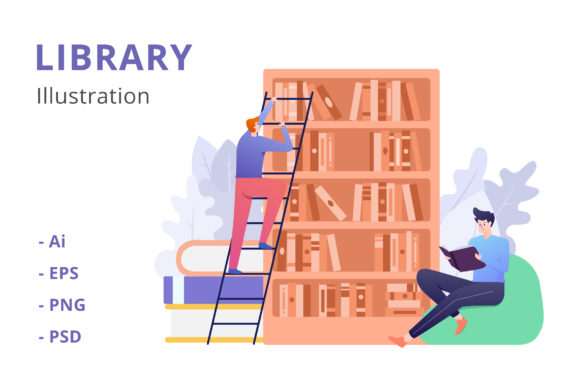
At its core, the Library Illustration is a detailed, scalable vector graphic that captures the essence of a library environment. It features elements such as bookshelves, reading areas, and people engaged in learning or research. This illustration is not only visually appealing but also highly adaptable, making it ideal for designers, educators, marketers, and developers seeking to enhance their visual storytelling.
Challenges in Finding the Right Visual Content
Many professionals struggle to find high-quality, customizable illustrations that align with their specific design goals. Stock images often lack uniqueness, while generic illustrations may not convey the intended message effectively. Designers also face the challenge of ensuring visuals are scalable and compatible across multiple platforms and devices.
For instance, an educational app developer might need imagery that conveys knowledge and focus, while a content marketer may require visuals that reflect a welcoming, community-driven environment. In both cases, the need for a flexible, editable, and visually consistent image is essential.
How Library Illustration Addresses Design Challenges
The Library Illustration directly addresses these challenges by offering a ready-to-use, fully editable visual resource. Whether you need a full scene of a bustling library or just a minimalist bookshelf backdrop, this illustration can be tailored to fit your specific use case. Since it's vector-based, it maintains clarity at any size—perfect for everything from mobile UIs to large-format print materials.
Additionally, the illustration is compatible with widely used design software like Adobe Illustrator and Photoshop, ensuring seamless integration into existing design workflows. This compatibility empowers users to modify colors, remove or add elements, and adapt the image to match brand aesthetics or thematic requirements.
Practical Applications Across Different Platforms
The versatility of the Library Illustration makes it suitable for a variety of applications:
- Websites: Use the illustration as a background for landing pages, educational sections, or resource hubs.
- Mobile Apps: Enhance user interfaces with imagery that supports themes of learning, reading, or information retrieval.
- Presentation Slides: Add visual interest to slides in academic, corporate, or nonprofit settings.
- Social Media: Create engaging posts or stories that highlight educational content, reading challenges, or library events.
- Infographics: Incorporate elements of the illustration to visually represent data related to literacy, education trends, or library usage.
For example, a university might use a modified version of the illustration—removing people and focusing on the architecture of the library—to symbolize tradition and knowledge in a recruitment brochure. Meanwhile, a children's literacy nonprofit could use the full scene with characters to convey a fun, engaging learning environment on social media.
Customization Tips for Maximum Impact
One of the key strengths of the Library Illustration is its ease of customization. Here are a few practical tips to make the most of it:
- Adjust the Color Palette: Modify the colors to align with your brand or the mood of your project. Soft blues and greens can evoke calm and focus, while warm tones might suggest creativity or community.
- Isolate Key Elements: If you only need the bookshelves or a reading nook, extract those components and use them independently to maintain visual clarity.
- Combine with Other Graphics: Layer the illustration with icons, text, or other visuals to create a more dynamic composition.
- Use in Print and Digital: Because it's vector-based, the illustration scales without losing quality, making it perfect for both digital displays and printed materials like posters or flyers.
Who Benefits Most from Library Illustration?
While the Library Illustration is broadly applicable, certain groups will find it especially useful:
- Educators and Librarians: Use it to enhance lesson plans, promotional materials, or digital learning platforms.
- Designers and Developers: Integrate it into UI/UX projects that emphasize knowledge, research, or education.
- Content Creators: Incorporate the illustration into blog posts, social media graphics, or educational videos.
- Marketing Teams: Leverage it for campaigns related to literacy, learning apps, or cultural institutions.
Each of these users may approach the illustration differently. A UX designer might focus on the structural elements to create a clean interface, while a social media manager might highlight the human elements to convey engagement and interaction. The flexibility of the Library Illustration ensures that each user can tailor it to their unique goals.
Final Thoughts: Enhancing Your Visual Toolkit
In today’s content-driven world, having access to adaptable, high-quality visuals is essential. The Library Illustration serves as a valuable asset for professionals across industries, offering both aesthetic appeal and functional flexibility. By incorporating this illustration into your design projects, you can elevate your visual communication while saving time and effort in sourcing or creating custom graphics from scratch.
Whether you're building an educational app, designing a presentation, or crafting engaging social media content, the Library Illustration provides a ready-to-use solution that aligns with your creative and practical needs. With its scalability, compatibility, and ease of customization, it's more than just an image—it's a versatile tool that supports your storytelling and design goals effectively.