Exploring the Creative Potential of 3D Rendering Background Design Concepts
Understanding the Role of Backgrounds in 3D Rendering
In the evolving world of digital design, the 3D rendering background design concept has emerged as a crucial element in enhancing visual storytelling. Whether for architectural visualization, product design, or digital marketing, the background plays a vital role in setting the tone, depth, and realism of a rendered scene. Unlike traditional flat backdrops, modern 3D rendering techniques allow for dynamic, layered environments that complement the subject and create a more immersive experience.
Designers are increasingly turning to vector-based background elements to ensure scalability and clarity across various formats. These vector graphics, often delivered in AI, EPS, JPG, or PNG formats, provide flexibility for use in wallpapers, infographics, presentations, and more. The adaptability of these files makes them ideal for both print and digital applications, especially when precision and quality are paramount.
Why Vector-Based Backgrounds Matter
When working with a 3D rendering background design concept, the use of vector-based graphics offers several distinct advantages. Vectors are resolution-independent, meaning they can be scaled to any size without losing quality. This is especially important when designing backgrounds for high-resolution wallpapers or large-format infographics where pixelation can detract from the overall aesthetic.
- Scalability: Vector backgrounds maintain sharpness and clarity at any size.
- Editability: AI and EPS files allow for easy adjustments to color, shape, and layout.
- Versatility: These files can be used across multiple platforms, from web design to print media.
For professionals working in fields such as architecture, interior design, or digital marketing, having access to clean, customizable vector backgrounds can significantly streamline the design process. Whether you're creating a product mockup or a data visualization, integrating vector-based backgrounds ensures your final output is both visually compelling and technically sound.
Applications in Wallpapers and Infographics
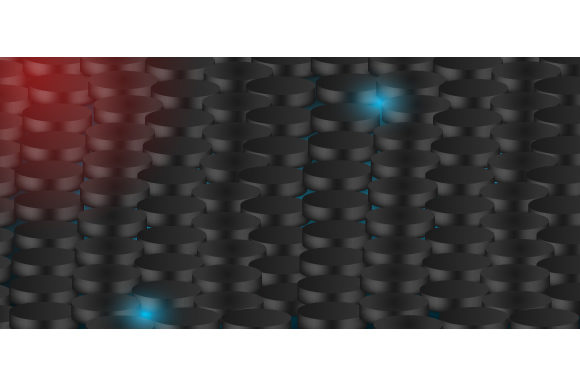
One of the most popular applications of the 3D rendering background design concept is in the creation of digital wallpapers and technology-focused infographics. These backgrounds not only enhance the visual appeal but also help convey complex information in a more engaging way.
In the realm of wallpapers, 3D-rendered backgrounds offer a level of depth and realism that flat designs cannot match. From abstract geometric patterns to hyper-realistic cityscapes, these backgrounds can transform the look and feel of any device interface. Designers often utilize AI and EPS files to create intricate details that remain crisp even when scaled for different screen sizes.
Infographics, particularly those centered around technology, benefit greatly from the integration of 3D-rendered backgrounds. These visuals help contextualize data by providing a visual environment that supports the narrative. For instance, a tech infographic explaining cloud computing might use a 3D-rendered background featuring abstract data flows and digital landscapes, enhancing the viewer's understanding through visual metaphor.
Use Cases Across Industries
The 3D rendering background design concept finds relevance across a wide range of industries, each with its own unique requirements and applications:
- Architecture and Real Estate: Realistic 3D backgrounds help visualize building exteriors and interiors within their intended environments.
- Product Design: Rendered backgrounds create a sense of context, helping showcase products in realistic or stylized settings.
- Education and Research: Visual aids with 3D backgrounds improve comprehension of complex scientific or technical topics.
- Digital Marketing: Engaging backgrounds in banners, social media posts, and landing pages capture attention and enhance brand identity.
For educators and researchers, 3D-rendered backgrounds can serve as powerful tools for presenting data and concepts in a visually intuitive manner. For example, a biology infographic might use a 3D background to simulate a cellular environment, making abstract ideas more tangible for students.
Choosing the Right File Format
When working with a 3D rendering background design concept, selecting the appropriate file format is essential for achieving the desired outcome. Each format offers different benefits depending on the intended use:
- AI (Adobe Illustrator): Ideal for editing and customization, allowing designers to tweak individual vector elements.
- EPS (Encapsulated PostScript): A versatile format suitable for both vector and raster graphics, commonly used in print media.
- JPG (Joint Photographic Experts Group): Best for high-quality raster images, though not suitable for scaling without loss of quality.
- PNG (Portable Network Graphics): Offers transparency and high quality, making it perfect for digital overlays and web graphics.
Professionals who require flexibility and scalability often prefer AI and EPS formats for their background designs. On the other hand, PNG and JPG files are more commonly used for final delivery in digital platforms where vector editing is not required.
Best Practices for Implementation
To maximize the impact of a 3D rendering background design concept, it's important to follow best practices that ensure both visual harmony and technical efficiency:
- Balance foreground and background: Ensure the main subject remains the focal point while the background enhances rather than distracts.
- Optimize for performance: Especially in web and mobile applications, keep file sizes manageable without compromising quality.
- Maintain consistency: Use backgrounds that align with the overall design language and brand identity.
- Test across devices: Verify that backgrounds render correctly on different screen sizes and resolutions.
By carefully selecting and integrating 3D-rendered backgrounds, designers can elevate the visual storytelling of their projects while maintaining technical precision. Whether used for a sleek corporate infographic or a vibrant digital wallpaper, these backgrounds offer a blend of aesthetic appeal and functional adaptability.
Conclusion
The 3D rendering background design concept continues to shape the way designers approach visual communication. With the availability of vector-based files like AI, EPS, JPG, and PNG, professionals across industries can harness the power of scalable, customizable backgrounds to enhance their creative output. Whether you're designing for print, digital media, or presentation-based content, integrating these elements into your workflow can lead to more engaging and visually compelling results.